
![]()
Tilemall
Calacutta Oro Herringbone 20x100 Porcelain Polished White
$284.31/m²Unit price /UnavailableIn stock![]()
Tilemall
Calacutta Oro Herringbone 20x100 Porcelain Matt White
$284.31/m²Unit price /UnavailableIn stock![]()
Tilemall
Artemis Mosaic Herringbone 35x150mm Natural Stone Honed Indian Green
$418.01/m²Unit price /UnavailableIn stock![]()
Tilemall
Artemis Mosaic Herringbone 35x150mm Natural Stone Honed Ming Green
$363.01/m²Unit price /UnavailableCheck stock![]()
Tilemall
Artemis Mosaic Herringbone 35x150mm Natural Stone Honed Pink
$440.00/m²Unit price /UnavailableIn stock![]()
Tilemall
Artemis Mosaic Herringbone 35x150mm Natural Stone Honed Rosa Portogallo
$407.00/m²Unit price /UnavailableIn stock![]()
Tilemall
Artemis Mosaic Herringbone 35x150mm Natural Stone Honed Brown
$451.00/m²Unit price /UnavailableIn stock![]()
Tilemall
Artemis Mosaic Herringbone 35x150mm Natural Stone Honed Carrara
$374.01/m²Unit price /UnavailableIn stock![]()
Tilemall
Artemis Mosaic Herringbone 35x150mm Natural Stone Honed Calacatta Gold
$495.00/m²Unit price /UnavailableIn stock![]()
Tilemall
Artemis Mosaic Herringbone 35x150mm Natural Stone Honed Carrara Grey
$418.01/m²Unit price /UnavailableIn stock![]()
Tilemall
Artemis Mosaic Herringbone 35x150mm Natural Stone Honed New York Stone
$418.01/m²Unit price /UnavailableIn stock![]()
Tilemall
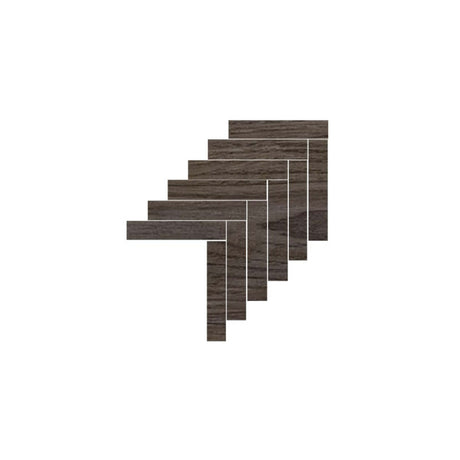
Hardwood Herringbone 355x422 Surface Tec Wolf Grey Timber Look Rectified
$146.14/m²Unit price /UnavailableCheck stock![]()
Tilemall
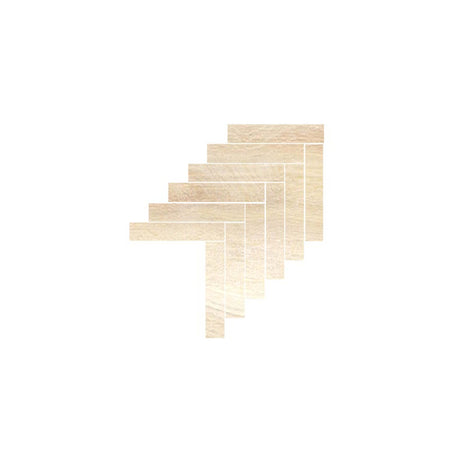
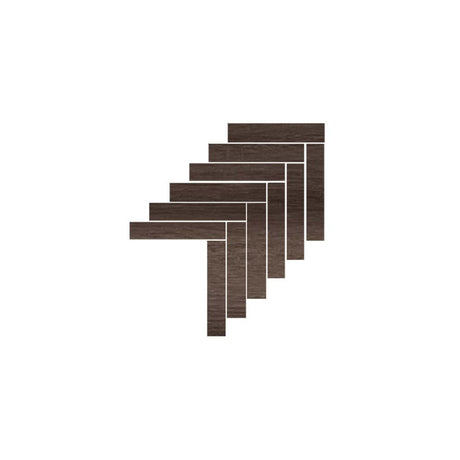
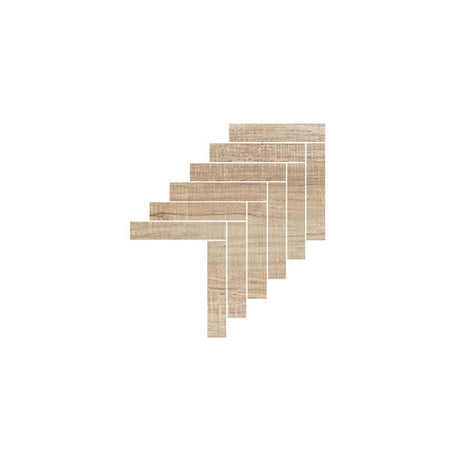
Hardwood Herringbone 355x422 Surface Tec Tasmania Oak Timber Look Rectified
$146.14/m²Unit price /UnavailableSold out![]()
Tilemall
Hardwood Herringbone 355x422 Surface Tec Iron Bark Timber Look Rectified
$146.14/m²Unit price /UnavailableSold out![]()
Tilemall
Hardwood Herringbone 355x422 Surface Tec Black Butt Timber Look Rectified
$146.14/m²Unit price /UnavailableSold out![Porcelain-Mosaic-]()
![Porcelain-Mosaic-He]()
Tilemall
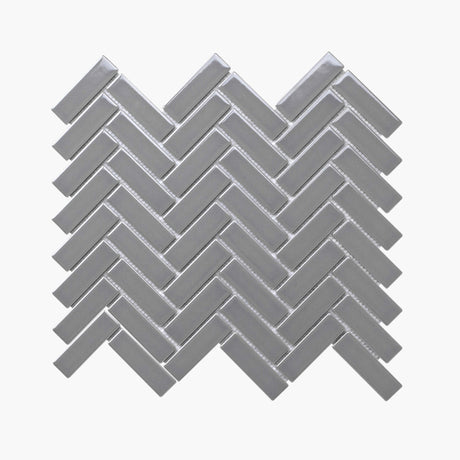
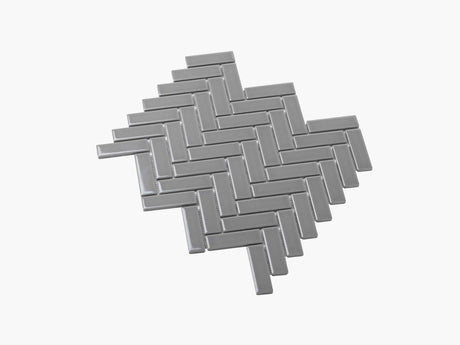
Porcelain Mosaic Herringbone 25x75mm Gloss Grey
$81.43/m²Unit price /UnavailableIn stock