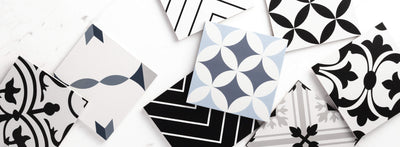
In Australian homes, ceramic tiles are commonly used on interior walls where both durability and design matter, especially in kitchens, bathrooms, and feature areas.
In 2026, ceramic tiles are no longer just a functional surface. They are increasingly used as a design element to add texture, colour, and personality to interior spaces. From classic subway tiles to modern feature walls, ceramic tiles remain a key material in residential renovation projects.
Subway Tile Trends 2026
Subway tiles remain one of the most iconic ceramic tile styles in Australian interiors.
Traditionally used in kitchens and bathrooms, subway tiles are now being applied in more creative layouts. Instead of the classic horizontal brick pattern, many homeowners are choosing vertical stacking, herringbone layouts, or offset patterns to create a more modern look.
Colour is also becoming more important. While white subway tiles remain popular, soft greens, warm neutrals, and muted pastels are increasingly used to add character without overwhelming the space.
Subway tiles are especially popular because they are simple, affordable, and timeless. They work well in both modern and traditional interiors, making them one of the most flexible ceramic tile options.


Bathroom Wall Tiles
Ceramic tiles are widely used in bathroom walls because they are resistant to water and easy to maintain.
In 2026, bathroom design trends are moving towards calm, spa-like interiors. This is reflected in the use of soft colours such as beige, light grey, and warm white.
Matte finishes are particularly popular in bathrooms because they feel more natural and are easier to maintain compared to glossy surfaces.


Kitchen Splashbacks
Ceramic tiles are ideal for kitchen splashbacks because they are heat-resistant, easy to clean, and available in a wide range of colours and finishes.
Subway tiles continue to dominate this space, but homeowners are increasingly experimenting with layout patterns and colour variations. For example, vertical stacked tiles create a more modern feel, while herringbone patterns add subtle movement to the wall.
Soft neutral tones remain the most popular choice, but darker colours such as deep green or charcoal are also used to create contrast against light cabinetry.


Decorative Feature Walls
Beyond kitchens and bathrooms, ceramic tiles are increasingly used to create decorative feature walls in living areas and entry spaces.
Feature walls using ceramic tiles add depth and texture to interiors without the need for paint or wallpaper changes over time. Textured ceramic tiles, in particular, are becoming more popular in modern interior design because they create subtle shadow and light variation.
In contemporary homes, feature walls are often kept in neutral tones to maintain balance, while the texture itself becomes the main design focus.
These walls are commonly used behind sofas, in entryways, or as focal points in open-plan living spaces.


Why Ceramic Tiles Are Still Popular for Walls
Ceramic tiles are easy to clean, resistant to moisture, and come in a wide range of designs, from simple subway styles to more decorative textured finishes. This makes them suitable for both practical and visual purposes.
Compared to other wall finishes, ceramic tiles also offer long-term durability. Once installed, they require minimal maintenance and can maintain their appearance for many years.
Another reason for their continued popularity is design flexibility. Whether the goal is a clean minimalist look or a more decorative feature wall, ceramic tiles can adapt to different interior styles easily.
In Conclusion
In 2026, ceramic tiles continue to play an important role in Australian interior design, especially for walls and decorative surfaces.
From timeless subway tiles to modern bathroom walls, kitchen splashbacks, and textured feature walls, ceramic tiles offer both practicality and design versatility.
The key trend is simplicity with detail. Neutral colours, clean layouts, and subtle textures are being used more frequently to create calm and modern interior spaces.
To explore more ceramic wall tile collections, visit Tilemall.